Chapter 2
IN THIS LESSON
Based on the slide showing wavelength specifications for photobiomodulation therapy, here's an introductory paragraph:
Wavelength Selection: The Foundation of Effective Photobiomodulation Therapy
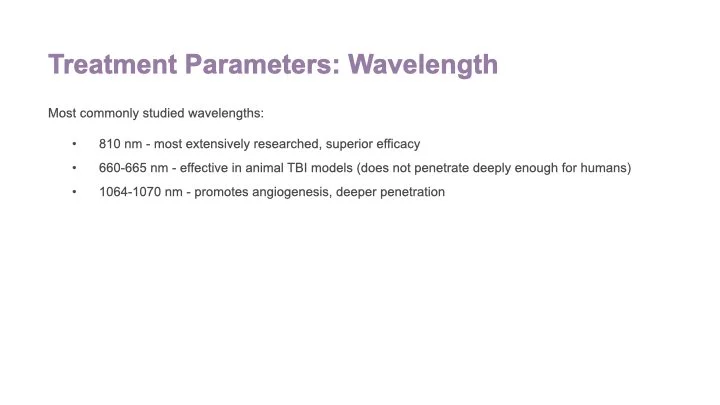
Choosing the appropriate wavelength is critical to achieving optimal therapeutic outcomes in photobiomodulation. Clinical research has established three primary wavelengths, each offering distinct advantages based on penetration depth and biological effects. The 810 nm wavelength stands as the gold standard, backed by the most extensive research demonstrating superior clinical efficacy across a wide range of conditions. The 660-665 nm wavelength, while highly effective in animal models of traumatic brain injury (TBI), lacks sufficient penetration depth for human cranial applications, making it better suited for superficial tissue treatments. For deeper tissue penetration and promotion of angiogenesis, the 1064-1070 nm wavelength range offers unique benefits, though research at these longer wavelengths remains more limited. Understanding these wavelength characteristics enables clinicians to select the most appropriate laser therapy protocols for their patients' specific needs.
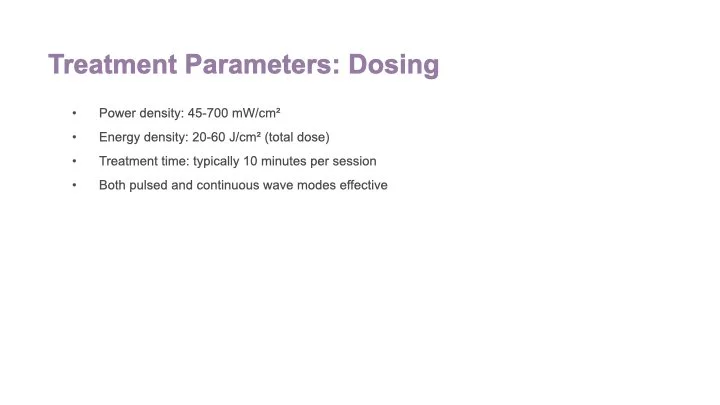
Photobiomodulation therapy effectiveness relies on precise dosing parameters that balance therapeutic benefit with safety and patient comfort. The optimal treatment protocol utilizes power densities ranging from 45-700 mW/cm², with energy densities of 20-60 J/cm² delivered over typical 10-minute sessions. Clinical research demonstrates that both pulsed and continuous wave modes produce effective therapeutic outcomes, providing flexibility in treatment approaches based on specific clinical indications and patient needs. These evidence-based parameters ensure consistent, reproducible results across diverse applications while maintaining the safety profile that has made Class IV laser therapy a trusted modality in clinical practice.
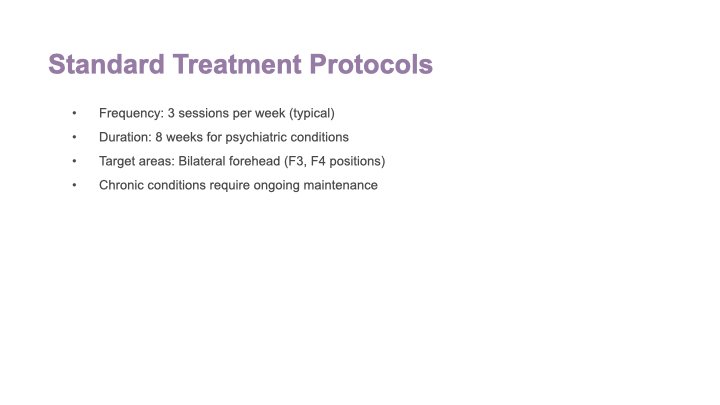
Effective photobiomodulation therapy requires consistent application and targeted treatment approaches. Our recommended standard protocols include three sessions per week for optimal therapeutic response, with an 8-week duration proven effective for psychiatric conditions such as depression, anxiety, and cognitive function improvement. Treatment focuses on bilateral forehead positioning (F3 and F4 cortical regions) to stimulate neurological pathways associated with mood regulation and mental clarity. While acute conditions may resolve within the standard timeframe, chronic conditions benefit from ongoing maintenance therapy to sustain improvements and prevent regression. These evidence-based protocols provide practitioners with a proven framework for delivering consistent, measurable patient outcomes.
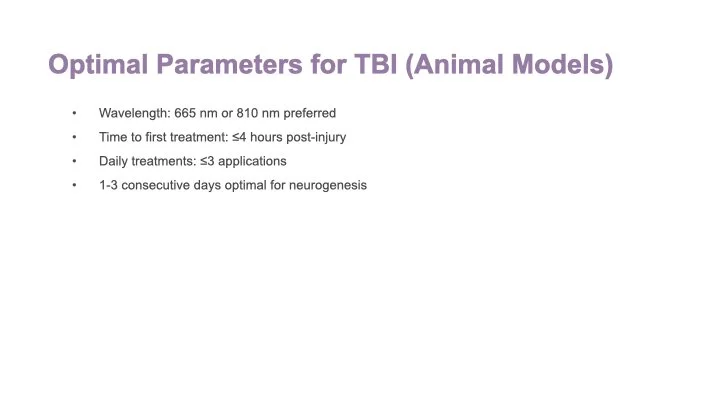
Photobiomodulation therapy has emerged as a promising intervention for traumatic brain injury (TBI), with extensive research in animal models establishing critical treatment parameters that optimize therapeutic outcomes. Studies consistently demonstrate that light therapy wavelengths of 665 nm or 810 nm deliver the most effective neuroprotective and neurorestorative benefits, with timing proving equally crucial—initiating treatment within four hours post-injury maximizes therapeutic impact. The optimal protocol involves daily applications with a minimum of three treatments per session, administered over one to three consecutive days to promote neurogenesis and facilitate cellular repair mechanisms. These evidence-based parameters provide a foundation for clinical applications of Class IV laser therapy in addressing TBI, offering healthcare practitioners a scientifically validated framework for treatment delivery.